

Step A4: System Three – Optimization and Management
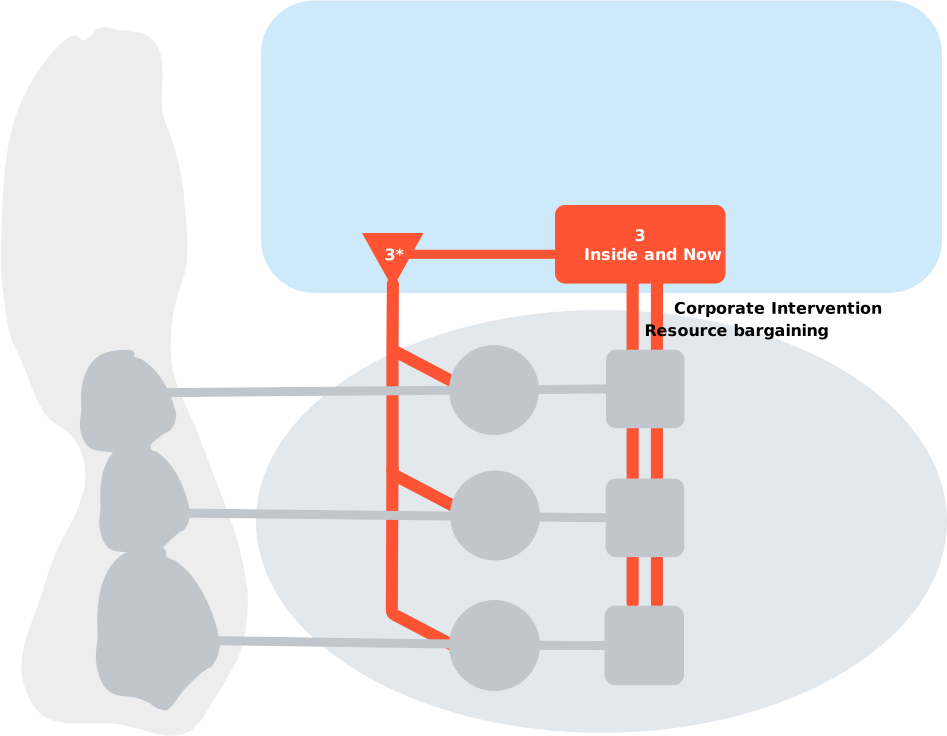
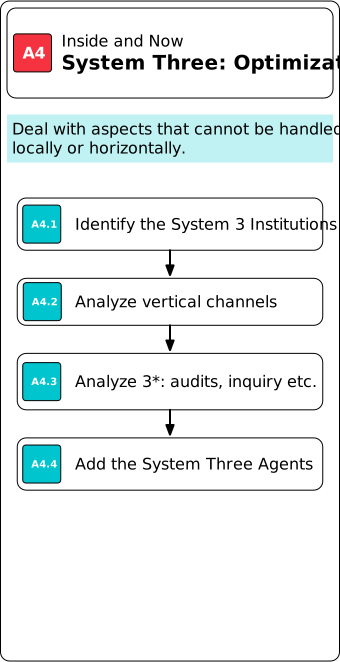
Step A4 focuses on analyzing System 3, which is responsible for optimizing operations, ensuring internal coherence, and managing resource allocation within the System-in-Focus (SiF). The results of this step provide a detailed understanding of how well the organization balances autonomy, efficiency, and accountability across its operational units.
Key Outcomes:
- Identified Key Management and Oversight Structures:
- Mapped departments, roles, and committees responsible for overseeing operational performance.
- Clarified the relationship between System 3 (operational management) and System 1 (operational units) to determine how control and autonomy are balanced.
- Evaluated Resource Allocation and Decision-Making Processes:
- Assessed how budgets, personnel, and technology are distributed across operational units.
- Identified inefficiencies in the resource bargaining process and areas where allocation could be optimized.
- Analyzed Performance Monitoring and Accountability Mechanisms:
- Reviewed how key performance indicators (KPIs), reporting structures, and audits are used to measure effectiveness.
- Identified gaps in accountability that could lead to waste, redundancy, or operational misalignment.
- Mapped Corporate Intervention and Governance Channels:
- Evaluated how System 3 intervenes in operational issues, including direct decision-making and escalation processes.
- Determined if existing governance mechanisms provide enough guidance without excessive micromanagement.
- Recognized Areas Where System 3 Needs Strengthening:
- Noted areas where operational inefficiencies, lack of standardization, or weak management oversight lead to performance issues.
- Identified opportunities to enhance collaboration between System 3 and System 2 (coordination functions) to improve stability.
- Reviewed System 3 (Auditing and Reality Checks):*
- Assessed whether management receives direct, unfiltered feedback from the operational units.
- Highlighted the need for better data collection and real-time insights to prevent blind spots in decision-making.
The results of Step A4 provide a comprehensive picture of how the organization is managed and optimized. This analysis prepares the organization to explore System 4 (future planning and adaptation) in Step A5, ensuring that operations are not only efficient today but also prepared for long-term changes and innovation.
Subpages
Related Pages