

Step A2: Define System One: the Operation
Results of Step A2: System One – The Operation
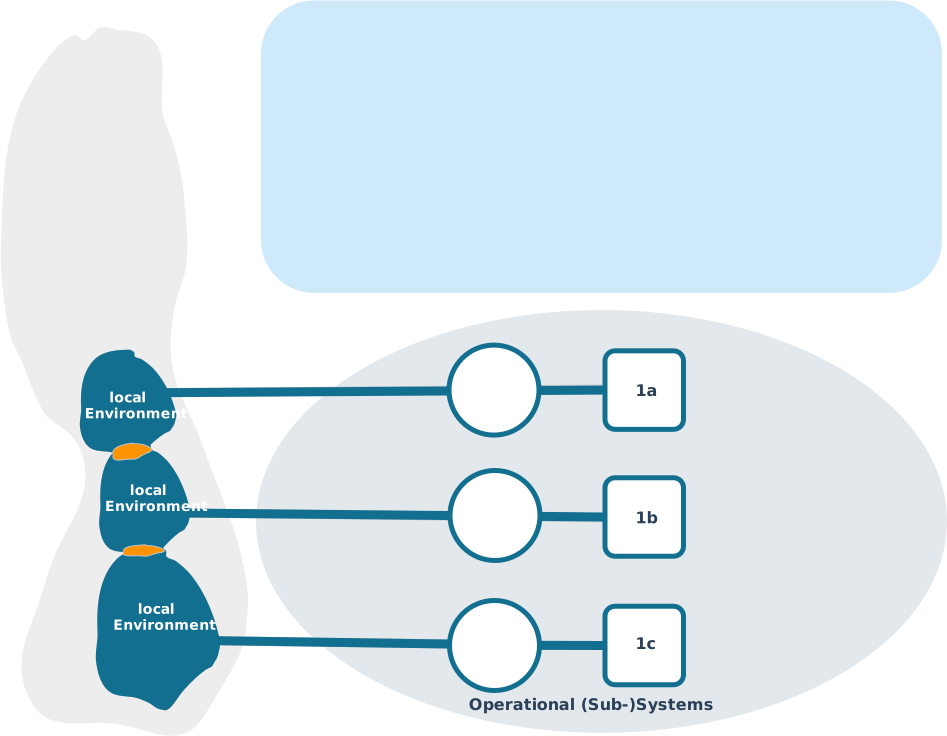
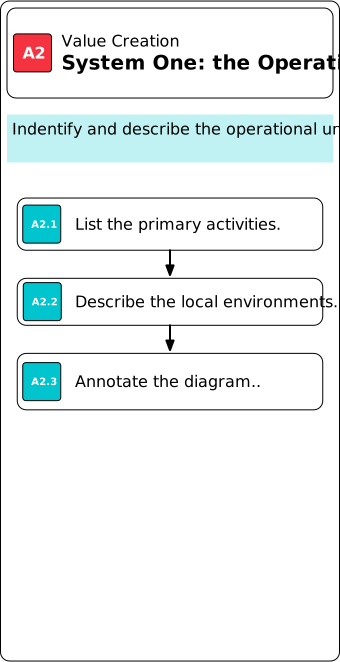
Step A2 identifies and analyzes the primary operational units (Systems 1) that drive the core activities of the System-in-Focus (SiF). This step ensures that all value-creating elements are mapped and their interactions with the environment and internal structures are well understood. The results provide a comprehensive view of the operational system, highlighting its strengths, interdependencies, and areas for improvement.
Key Outcomes:
- Mapped Primary Operational Units (Systems 1):
- Identified all units directly responsible for executing the SiF’s core activities.
- Distinguished between value-creating units and support functions to ensure an accurate representation of operational structures.
- Clarified System 1’s Role in Value Creation:
- Defined how each operational unit contributes to delivering products, services, or strategic objectives.
- Established clear relationships between operational units and their expected outputs.
- Identified Local Environments and External Influences:
- Mapped the specific environmental factors each operational unit interacts with, such as customers, suppliers, regulatory bodies, and market conditions.
- Highlighted dependencies on external entities that influence operational effectiveness.
- Documented Communication and Coordination Channels:
- Traced key information flows between operational units and their external interfaces.
- Identified gaps or inefficiencies in existing communication structures.
- Recognized Potential Operational Challenges:
- Noted operational units that may lack autonomy, causing bottlenecks or inefficiencies.
- Identified overlaps or conflicts between different operational units that could lead to coordination issues.
- Prepared the Groundwork for System 2 (Coordination) and System 3 (Management):
- Provided insights into where System 2 (coordination mechanisms) may be needed to stabilize operations.
- Identified areas requiring System 3 (management oversight) to optimize resource allocation and accountability.
These results provide a clear understanding of how operational units function within the SiF and how they interact with their environment. With a well-mapped System 1, the organization is now equipped to analyze coordination mechanisms (System 2) in Step A3 to ensure stability and efficiency in daily operations. .
Subpages