

Uncontrolled Growth Cancer
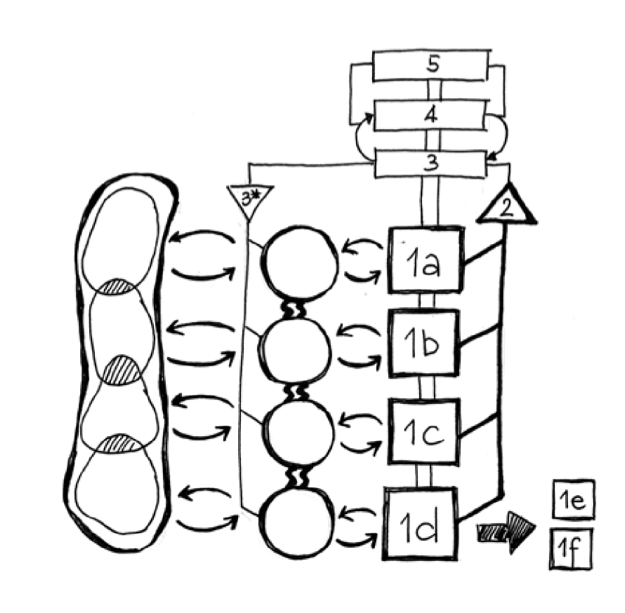
Image source: The Neurology of Business - (Pfiffner 2022) - used with permission
The pathology of uncontrolled growth is a critical issue that can destabilize an organization. It occurs when an organization expands too rapidly without adequate control mechanisms, leading to various dysfunctions and threats to its long-term viability.
Dysfunctions
Look for the following symptoms and dysfunctions.
Rapid Expansion without Planning
- Lack of Strategic Direction: Organizations experiencing uncontrolled growth often lack a clear, strategic plan to guide their expansion. This leads to haphazard growth that is not aligned with the organization's core mission and objectives.
- Overextension: Rapid expansion can stretch an organization's resources thin, leading to overextension. This overreach can compromise the quality of products or services and overburden employees.
Insufficient Infrastructure and Resources
- Inadequate Systems: Growth that outpaces the development of internal systems and infrastructure can result in operational inefficiencies. Systems for management, communication, and operations may become overwhelmed and fail to support the expanded organization effectively.
- Resource Shortages: Rapid growth can lead to shortages in essential resources, including human capital, technology, and financial assets. This shortage can hamper the organization's ability to sustain its operations and growth.
Weak Governance and Control Mechanisms
- Lack of Oversight: Uncontrolled growth can result in weakened governance structures. As the organization expands, the lack of adequate oversight and control mechanisms can lead to mismanagement and inefficiencies.
- Inconsistent Policies: Policies and procedures may not evolve at the same pace as the organization, leading to inconsistencies and gaps that can be exploited or cause confusion.
Cultural and Organizational Fragmentation
- Diluted Organizational Culture: Rapid growth can dilute the organizational culture as new employees are onboarded without sufficient integration into the existing culture. This fragmentation can lead to a loss of shared values and vision.
- Internal Divisions: Growth can create internal divisions and silos, where different parts of the organization develop their own sub-cultures and operational norms, leading to a lack of cohesion.
Try This
To address and mitigate dissociation pathology, you might try the following interventions:
Strategic Planning and Vision
- Developing a clear, long-term strategic plan that guides growth efforts can help ensure that expansion aligns with the organization's mission and objectives. This includes setting realistic growth targets and timelines.
Strengthening Infrastructure and Systems
- Investing in robust systems and infrastructure that can support growth is crucial. This includes upgrading technology, enhancing communication systems, and streamlining operations to handle increased demand.
Resource Management
- Ensuring adequate allocation of resources to support growth is essential. This may involve hiring additional staff, securing financial resources, and investing in necessary technology and infrastructure.
Enhancing Governance and Control
- Implementing strong governance structures and control mechanisms can help manage growth effectively. This includes establishing oversight committees, regular audits, and transparent policies and procedures that evolve with the organization.
Maintaining Organizational Culture
- Actively working to integrate new employees into the existing organizational culture can help maintain a cohesive and unified workforce. This includes onboarding programs, cultural integration initiatives, core values, and vision communication.
- Bottleneck
- Dominant System 1
- Functional Organization Dissociation
- Matrix Organization Schizophrenia
- Uncontrolled Growth Cancer