

Matrix Organization Schizophrenia
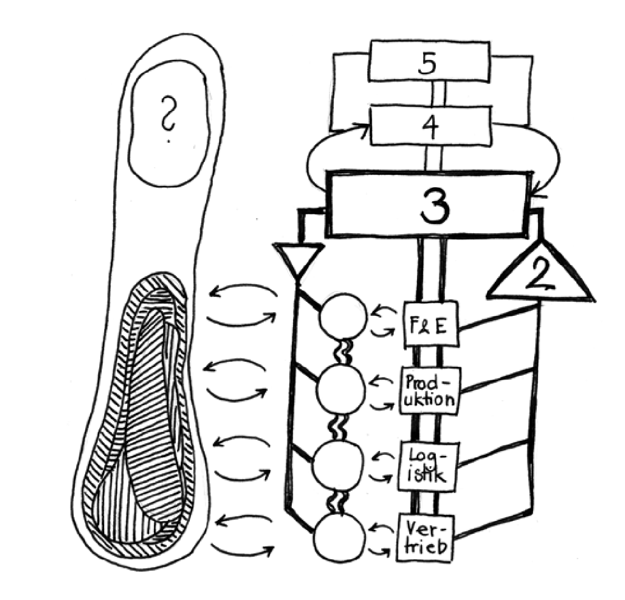 ![[image87.png|Pathology: Matrix Organization]
Schizophrenia typically affects a matrix organization. It means a multitude of overlapping and competing structures, resulting in a duplication of leadership at various levels.
It causes dysfunctions where an organization suffers from a severe disconnection between its parts, leading to a breakdown in coherence and functionality.
Dysfunctions
Look for the following symptoms and dysfunctions.
Fragmented Communication
- Lack of Integrated Information Flow: Organizations afflicted by this pathology experience disjointed communication. Information does not flow smoothly between departments, leading to misunderstandings, misalignments, and delays in decision-making.
- Isolation of Subsystems: Different parts of the organization operate in isolation, similar to information silos. This isolation prevents the sharing of critical information necessary for cohesive functioning.
Incoherent Strategies and Goals
- Conflicting Objectives: There is a noticeable lack of unified direction, with different departments or teams pursuing goals that are not aligned with the overall organizational strategy. This misalignment causes internal conflicts and inefficiencies.
- Divergent Priorities: Priorities within the organization are not harmonized, leading to misallocation of resources and scattered efforts.
Disconnected Decision-Making Processes
- Fragmented Authority: Decision-making authority is not clearly defined or is fragmented across the organization. This results in inconsistent decisions that do not support a unified strategic direction.
- Lack of Coordination: A significant lack of coordination between different decision-making bodies leads to redundant efforts and conflicting actions.
Breakdown in Organizational Identity
- Inconsistent Messaging: The organization's identity and messaging become inconsistent. Different parts of the organization may present different faces to stakeholders, leading to confusion and a loss of credibility.
- Weak Organizational Culture: The culture within the organization is weakened, with a lack of shared values and vision. Employees may feel disconnected from the organization's mission and each other.
Try This
To address and mitigate dissociation pathology, you might try the following interventions:
- Enhancing Communication: Establishing robust communication channels ensures seamless information flow across the organization.
- Aligning Goals and Strategies: Creating and enforcing a unified strategic vision that aligns the goals and efforts of all departments and teams.
- Centralizing Decision-Making: Defining clear decision-making authorities and processes to ensure consistent and coordinated actions.
- Strengthening Organizational Culture: Building a strong, shared organizational culture that promotes unity, shared values, and a collective mission.
Stafford Beer identified several pathologies that can afflict organizations and hinder their viability. These pathologies reflect common systemic issues when an organization's different subsystems are not correctly aligned or balanced. Below is a description of some of these pathologies.
- Bottleneck
- Dominant System 1
- Functional Organization Dissociation
- Matrix Organization Schizophrenia
- Uncontrolled Growth Cancer