

Bottleneck
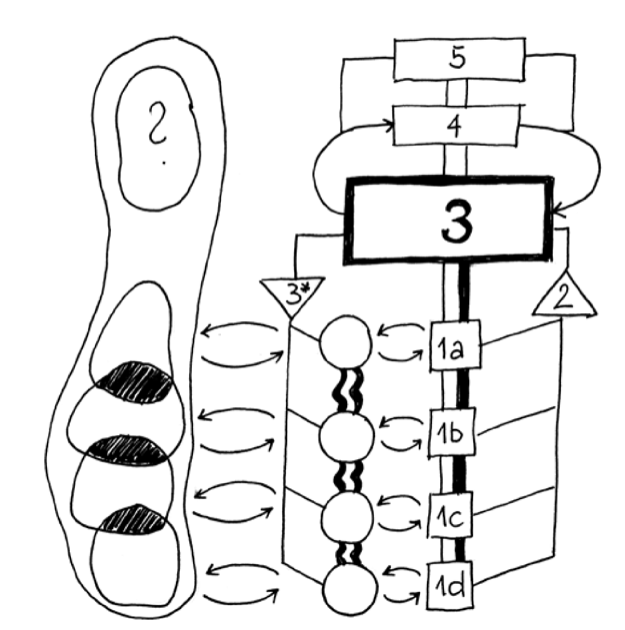
A bottleneck can severely impede an organization's efficiency and effectiveness. It occurs when certain parts of the organization, such as important managers or pivotal points in processes or decision-making, become overloaded or inefficient, restricting the overall flow and performance of the system.
Dysfunctions
Look for the following symptoms and dysfunctions.
Overloaded Decision Points
- Centralized Decision-Making: A common cause of bottlenecks is centralizing decision-making authority in a few individuals or departments. This can lead to delays as these central points become overwhelmed with tasks and decisions.
- Inefficient Delegation: A lack of proper delegation exacerbates the bottleneck effect. When decision-making is not appropriately distributed, those at the center cannot handle the volume of work efficiently.
Resource Constraints
- Limited Capacity: Bottlenecks often occur in areas where resources (human, technological, or financial) are limited and cannot meet the demand. This mismatch between capacity and demand causes delays and inefficiencies.
- Critical Dependencies: Processes that depend heavily on specific resources or individuals can create bottlenecks if those dependencies are not managed well.
Process Inefficiencies
- Sequential Processes: When processes are overly sequential and cannot be parallelized, a delay at any point can halt the entire operation. This is particularly problematic in production lines or project management scenarios.
- Redundant Steps: Inefficiencies in process design, such as redundant or unnecessary steps, contribute to bottlenecks by adding avoidable delays and complications.
Communication Barriers
- Slow Information Flow: Bottlenecks can arise from slow or inefficient communication channels, where vital information does not reach the relevant stakeholders promptly.
- Misaligned Coordination: Lack of proper coordination between different parts of the organization can cause delays and misunderstandings, further contributing to bottlenecks.
Try This
To address and mitigate dissociation pathology, you might try the following interventions:
Decentralizing Decision-Making
- Empowering lower-level managers and employees to make decisions can reduce the load on central decision points, ensuring faster and more efficient decision-making.
Improving Resource Allocation
- Investing in resources where frequent bottlenecks can help balance capacity and demand. This may include hiring more staff, upgrading technology, or reallocating financial resources.
Optimizing Processes
- Streamlining processes to eliminate redundant steps and allow for parallel processing can significantly reduce bottlenecks. Continuous process improvement initiatives can identify and address inefficiencies.
Enhancing Communication and Coordination
- Implementing robust communication systems and ensuring proper coordination between departments can help prevent bottlenecks caused by information delays and misalignments.