Dominant System 1
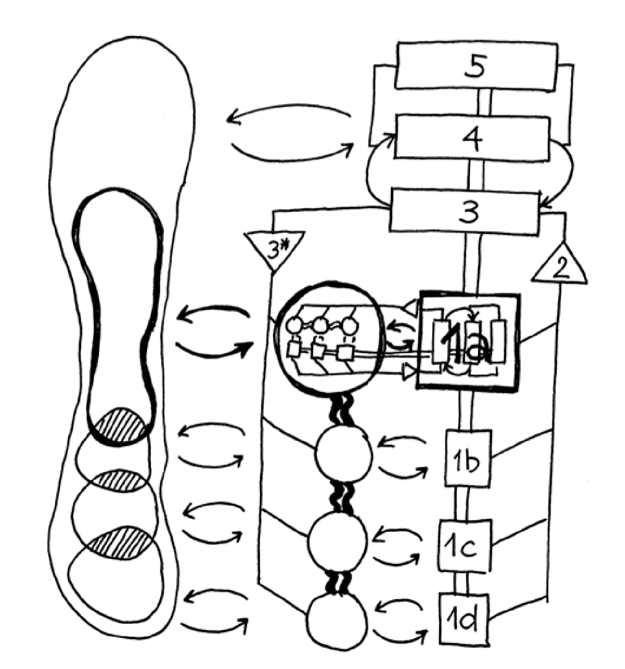
A dominant System 1 describes a situation where (some of) the operational units of an organization overpower the higher-level management and coordination functions.
This imbalance can lead to a range of dysfunctions as the organization becomes overly focused on immediate operational concerns at the expense of strategic direction, coordination, and long-term viability.
Dysfunctions
Look for the following symptoms and dysfunctions.
Operational Overemphasis
- Focus on Day-to-Day Activities: The organization becomes overly focused on daily operations and short-term tasks, neglecting strategic planning and long-term goals.
- Micromanagement: Managers may get too involved in operational details, leading to micromanagement and a lack of attention to broader organizational issues.
Weak Coordination and Integration
- Poor Cross-Departmental Collaboration: With System 1 dominating, there is often poor coordination between different operational units. Each unit may operate in isolation, leading to silos and inefficiencies.
- Lack of Unified Direction: The dominance of System 1 can result in a lack of unified direction and coherence in the organization's efforts, as higher-level systems (System 2, 3, 3*, 4, and 5) fail to integrate and align the various operational units.
Inadequate Strategic Oversight
- Neglect of Strategic Functions: Focusing on operational concerns can lead to neglect of strategic functions such as market analysis, innovation, and long-term planning (System 4).
- Weak Governance: Governance functions (System 5) may be weak or ineffective, leading to a lack of clear policies, oversight, and direction.
Resource Imbalances
- Misallocation of Resources: Resources may be disproportionately allocated to operational units, leaving strategic and coordination functions underfunded and understaffed.
- Operational Bottlenecks: Overemphasis on operations can create bottlenecks where critical resources are tied up in day-to-day tasks, hindering the organization's ability to respond to new opportunities or threats.
Try This
To address and mitigate dissociation pathology, you might try the following interventions:
Strengthening Higher-Level Systems
- Empowering Strategic Functions: Reinforce the importance of strategic planning, innovation, and market analysis (System 4) by allocating appropriate resources and authority.
- Enhancing Governance: Strengthen governance structures (System 5) to provide clear direction, policies, and oversight. Ensure that governance bodies are empowered and effective.
Improving Coordination and Integration
- Fostering Collaboration: Promote cross-departmental collaboration and integration to break down silos and ensure that different operational units work together towards common goals (System 2 and 3).
- Implementing Effective Communication Channels: Establish robust communication channels to facilitate the flow of information between operational units and higher-level management.
Balancing Resource Allocation
- Resource Reallocation: Ensure a balanced allocation of resources between operational, strategic, and governance functions. This may involve reassessing budgets, staffing, and other resources to support a more holistic approach.
Developing a Unified Vision
- Articulating Clear Goals: Develop and communicate a clear, unified vision and strategic goals for the organization. Ensure that all levels of the organization understand and are aligned with these objectives.
- Engaging Employees: Engage employees at all levels in the strategic planning process to foster a sense of ownership and alignment with the organization's long-term goals.