

Step C4: Optimize
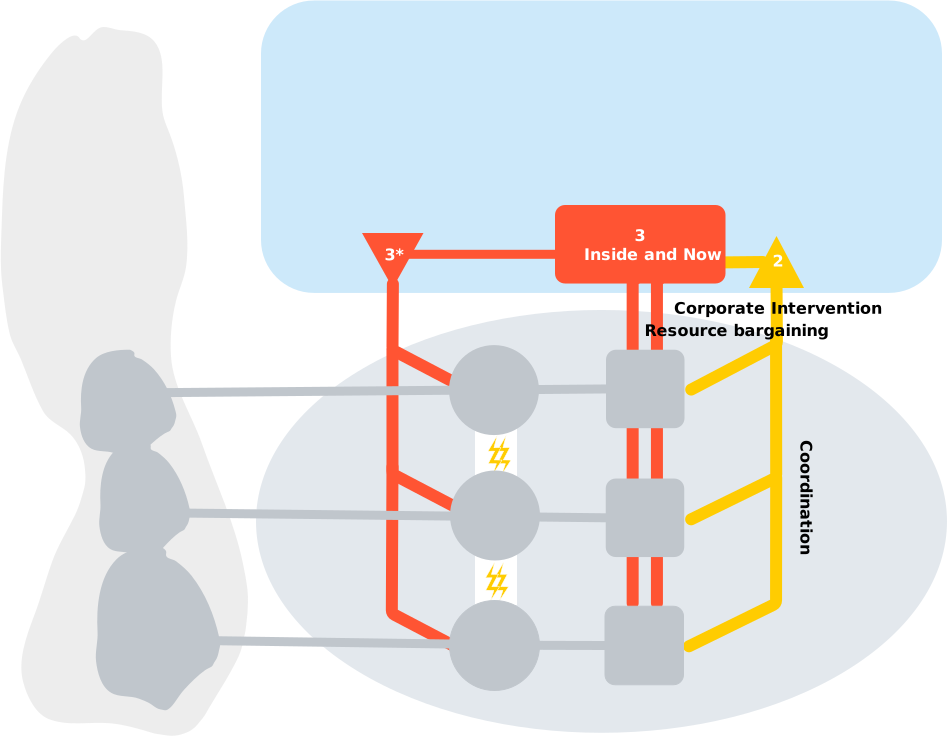
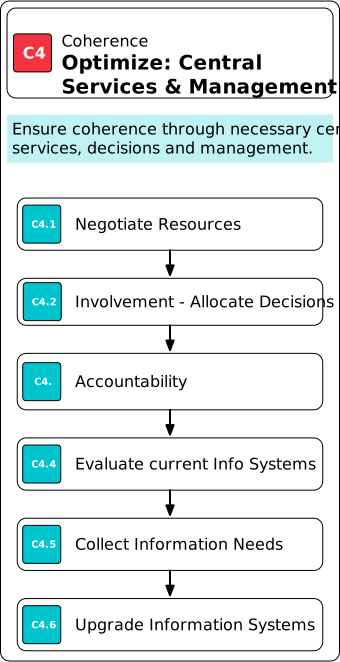
Step C4 focuses on strengthening the operational management (System 3) to ensure coherence across the organization by resolving resource conflicts, enforcing accountability, and improving real-time oversight. The results of this step enhance the organization’s ability to optimize workflows, balance autonomy with control, and maintain system-wide efficiency.
Key Outcomes:
- Established a Robust Resource Bargaining Process:
- Defined clear guidelines for negotiating resource allocation between System 3 and operational units (Systems 1).
- Ensured a fair distribution of resources based on performance metrics and strategic priorities, reducing inefficiencies and conflicts.
- Implemented Stronger Accountability Mechanisms:
- Enhanced monitoring and reporting structures to ensure operational units meet agreed-upon goals.
- Introduced performance indicators that align with mission statements, allowing for more transparent assessment and continuous improvement.
- Strengthened System 3 for Real-Time Insights:*
- Expanded real-time data collection mechanisms (audits, direct observations, and customer feedback loops) to ensure management decisions are based on accurate, up-to-date information.
- Improved visibility into operational challenges, reducing reliance on delayed or filtered reporting.
- Aligned Decision-Making with Organizational Strategy:
- Integrated decision-making frameworks to ensure that operational changes support long-term strategic goals.
- Balanced top-down control with local decision-making to prevent bottlenecks while maintaining strategic coherence.
- Optimized Information Systems to Support Operations:
- Improved the organization’s ability to track and analyze performance in real time by upgrading data management and reporting tools.
- Ensured that information systems provide actionable insights rather than overwhelming stakeholders with irrelevant data.
- Addressed Organizational Blind Spots:
- Used System 3* insights to identify hidden inefficiencies, risks, or systemic weaknesses that were not previously visible through standard reporting.
- Adjusted policies and interventions based on a more accurate representation of ground-level realities.
- Balanced Vertical and Horizontal Coordination:
- Strengthened connections between System 3 and horizontal coordination mechanisms (System 2) to enhance stability while maintaining agility.
- Ensured that centralized interventions were only applied when necessary, preventing overreach into operational autonomy.
The results of Step C4 set the stage for Step C5 by ensuring that the organization is both efficient in its current operations and prepared for future adaptation. With stronger optimization mechanisms in place, the organization is now better equipped to innovate and evolve in response to internal and external changes.
Subpages
Related Pages