

Step C3: Stabilize
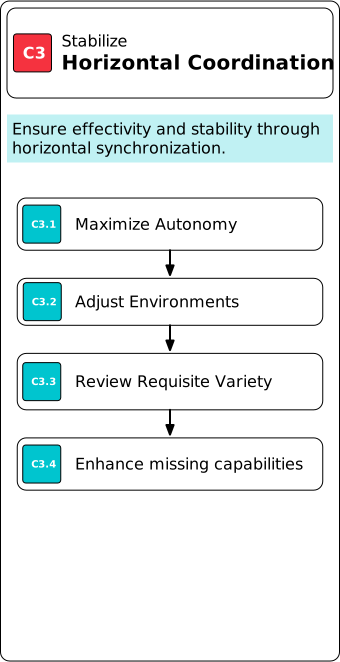
Step C3 focuses on ensuring stability and coherence through horizontal synchronization among operational units. By strengthening coordination mechanisms, the organization can minimize disruptions, dampen oscillations, and maintain effective collaboration without excessive central control. The results of this step provide a structured framework for improving stability while maximizing operational autonomy.
Key Outcomes:
- Improved Horizontal Coordination Mechanisms:
- Implemented new or reinforced existing coordination methods such as regular synchronization meetings, shared planning tools, and standardized procedures.
- Strengthened peer-to-peer communication between operational units to reduce dependency on central intervention.
- Minimized Unnecessary Dependencies:
- Identified and addressed critical interdependencies between operational units that previously caused inefficiencies or bottlenecks.
- Where possible, decentralized decision-making to reduce delays caused by excessive hierarchical oversight.
- Adjusted Environments to Reduce Conflicts:
- Modified the segmentation of operational units where overlapping responsibilities or resource conflicts were identified.
- Created clear guidelines on how operational units should interact with shared environments to ensure smoother workflows.
- Reviewed and Enhanced System 2 Capabilities:
- Strengthened mechanisms for conflict resolution and synchronization between units.
- Ensured that coordination roles and tools effectively dampen oscillations in workloads and resource allocation.
- Validated Requisite Variety to Absorb Complexity:
- Assessed whether operational units and coordination mechanisms have the necessary capacity to manage the complexity of their tasks.
- Introduced additional coordination elements where gaps were identified to enhance the organization’s ability to adapt to changes smoothly.
- Ensured Stability Without Over-Centralization:
- Verified that horizontal synchronization efforts were sufficient to maintain stability before escalating issues to System 3 (operational management).
- Maintained flexibility by ensuring that operational units retained autonomy while benefiting from structured coordination.
The results of Step C3 lay the foundation for Step C4 by ensuring that stability is achieved through efficient coordination, reducing the need for excessive central control. These enhancements improve the overall coherence of operations, allowing for better optimization in the next step.
Subpages
Related Pages