

Step B2: Look for Dysfunctions and Pathologies
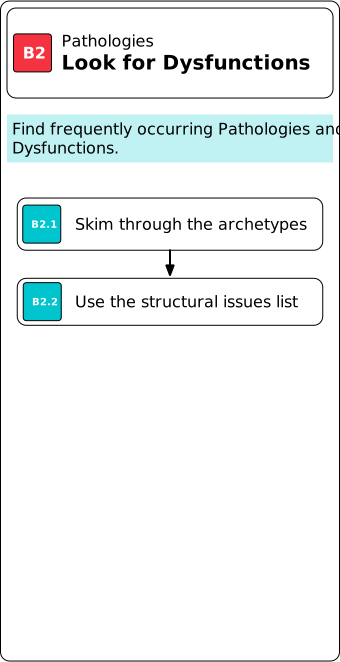
Step B2 focuses on identifying systemic dysfunctions and organizational pathologies within the System-in-Focus (SiF). By diagnosing common issues related to decision-making, coordination, resource allocation, and adaptability, this step provides a clear picture of structural inefficiencies and barriers to viability.
Key Outcomes:
- Detected Recurring Organizational Dysfunctions:
- Identified common breakdowns in decision-making, communication, and coordination across different levels.
- Pinpointed areas where operational units (System 1) struggle with autonomy, stability, or efficiency.
- Recognized Structural and Functional Pathologies:
- Used VSM pathology patterns to uncover dominant System 1 behavior, excessive centralization (System 3 excess), weak strategic foresight (System 4 starvation), or leadership gaps (System 5 dysfunction).
- Found symptoms of bottlenecks, information silos, uncontrolled growth, and misaligned priorities that hinder long-term viability.
- Analyzed Systemic Imbalances and their Consequences:
- Evaluated overly rigid or overly flexible structures that create inefficiencies.
- Detected excessive intervention from higher-level management, leading to micromanagement and loss of operational autonomy.
- Identified underdeveloped coordination (System 2 dysfunctions) causing instability and misalignment between operational units.
- Highlighted Poor Information Flow and Decision Bottlenecks:
- Noted gaps in real-time data collection and feedback loops, leading to blind spots in management decision-making.
- Found instances where critical decisions are delayed or based on incomplete information, causing inefficiencies.
- Assessed the Root Causes of Identified Dysfunctions:
- Determined whether issues stem from structural design, cultural resistance, outdated processes, or missing systems.
- Differentiated between surface-level inefficiencies and deep-rooted systemic pathologies that require strategic intervention.
- Prioritized Dysfunctions for Intervention:
- Categorized issues based on severity, impact, and urgency to guide future improvement efforts.
- Distinguished between quick wins (immediate fixes) and long-term transformation needs.
The results of Step B2 provide a detailed diagnosis of the organization’s systemic weaknesses, enabling targeted improvements in the Decide phase (Step C1–C6). This analysis ensures that the next steps focus on removing dysfunctions and redesigning the system for sustainable viability. .
Subpages
Related Pages
- Step B1: Review the Results of the Analysis
- Step B2: Look for Dysfunctions and Pathologies
- Step B3: Collect Pain Points Revealed by Other Means