

Step D3: Limit Attention
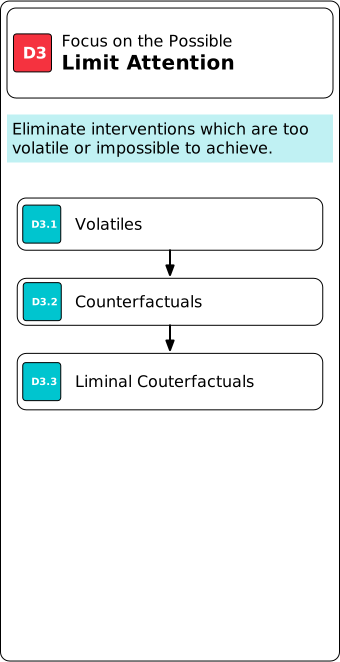
Step D3 refines the change strategy by eliminating impractical, volatile, or unsustainable interventions identified in the Energy Map (Step D2). This step ensures that the organization focuses on realistic, high-impact changes, preventing wasted effort on initiatives that are unlikely to succeed or be sustained.
Key Outcomes:
1. Filtered Out Volatile Interventions:
- Identified changes that are likely to be frequently reversed or cause instability due to organizational resistance, external dependencies, or weak implementation structures.
- Ensured that interventions requiring constant rework or high maintenance are deprioritized.
2. Removed Counterfactual (Impossible) Interventions:
- Excluded initiatives that require excessive time, effort, or resources beyond the organization’s current capabilities.
- Eliminated changes dependent on unrealistic assumptions or factors outside the organization's control.
3. Recognized Liminal Counterfactuals (Future Possibilities):
- Identified interventions that are currently infeasible but could become possible if external conditions change (e.g., leadership approval, market shifts, regulatory changes).
- Documented conditions required for future reconsideration, ensuring that these ideas are not lost but parked for the right moment.
4. Refined the Change Roadmap to Prioritize Feasible Interventions:
- Focused on interventions with manageable risk, clear impact, and organizational readiness.
- Streamlined the action plan by removing distractions and consolidating efforts on viable initiatives.
5. Prepared for Targeted Implementation in the Next Steps:
- Created a leaner, more actionable set of interventions for Step D4 (Nudging) and Step D5 (Hacking).
- Ensured that energy and resources are directed toward initiatives that align with strategic goals and organizational realities.
The results of Step D3 help the organization concentrate on meaningful, realistic changes, ensuring that time, effort, and stakeholder engagement are used efficiently. This refined focus sets the stage for Step D4 (Nudging), where small, incremental changes will be implemented to drive transformation effectively.
Related Pages
- Step D1: Direction
- Step D2: Energy Map
- Step D3: Limit Attention
- Step D4: Nudge
- Step D5: Hack