

Step D2: Energy Map
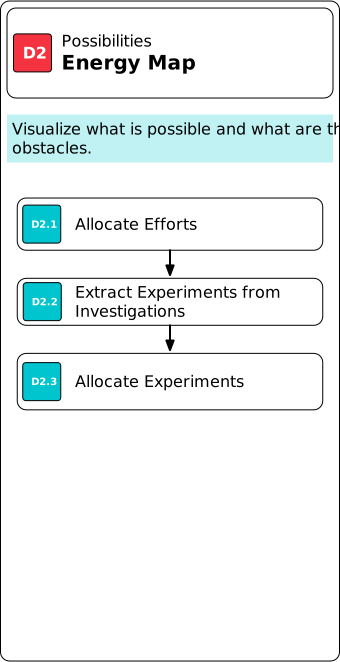
Step D2 visualizes the effort, resistance, and time required for implementing changes, ensuring that interventions are strategically prioritized for maximum impact with minimal disruption. By categorizing initiatives based on their complexity and feasibility, this step provides a realistic roadmap for execution.
Key Outcomes:
- Classified Change Initiatives Based on Effort and Time:
- Mapped each identified intervention onto the Energy Map, considering expected resistance (effort) and time required for completion.
- Differentiated between quick wins (low effort, short time) and long-term transformations (high effort, extended timeline).
- Identified Low-Effort, High-Impact Changes:
- Highlighted immediate opportunities where small interventions could yield significant improvements.
- Ensured that early successes build momentum for more complex changes.
- Recognized High-Effort, Long-Term Transformations:
- Assessed complex interventions that require cultural shifts, structural redesign, or leadership buy-in.
- Created an incremental implementation strategy to prevent overwhelming the organization.
- Extracted Experiments from Investigations:
- Developed safe-to-fail experiments to test uncertain interventions before full-scale implementation.
- Ensured that experiments are measurable, iterative, and adaptable, reducing risk while increasing learning.
- Aligned Energy Allocation with Organizational Priorities:
- Balanced resources to prevent exhaustion from high-effort initiatives while ensuring meaningful progress.
- Ensured that leadership, teams, and stakeholders are engaged at the right level based on energy investment.
- Refined Implementation Strategies for Maximum Feasibility:
- Adjusted timelines and dependencies to sequence interventions effectively.
- Provided insights for Step D3 (Limit Attention) by identifying which initiatives may be too costly, volatile, or counterproductive to pursue.
The results of Step D2 ensure that change efforts are focused, prioritized, and sustainable, setting the stage for filtering out volatile or impractical interventions in Step D3 while maximizing the organization’s capacity for transformation. .