

Step D1: Direction
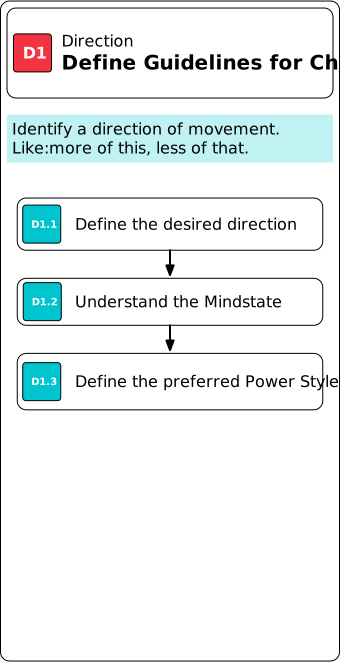
Step D1 establishes the strategic direction for implementing the improvements identified in the Decide phase (Step C1–C6). By defining clear intervention guidelines, this step ensures that organizational changes are aligned with long-term goals while maintaining adaptability in execution.
Key Outcomes:
- Defined a Clear Direction for Change:
- Established a strategic approach based on “more of this, less of that” principles, ensuring that interventions are goal-oriented rather than rigidly predefined.
- Identified whether the organization is aiming for gradual evolution, transformational change, or targeted optimizations.
- Mapped the Organization’s Current Mindset Using the House of Change Model:
- Determined whether the organization or its units are in Contentment, Denial, Confusion, or Renewal, shaping the approach to change management.
- Adjusted intervention strategies to match the organization's readiness for change.
- Aligned the Change Direction with Power Styles:
- Evaluated influence and leadership styles available within the organization, ensuring that interventions are supported by logical (push/pull) or emotional (push/pull) approaches.
- Identified which power sources (positional, expert, referent, reward, coercive, or network power) can be leveraged to drive effective change.
- Established High-Level Change Priorities:
- Prioritized areas where immediate interventions will have the greatest impact while identifying long-term transformation goals.
- Distinguished between quick wins and complex, systemic changes that require phased implementation.
- Created an Adaptive Framework for Decision-Making:
- Ensured that change strategies remain flexible rather than being fixed to rigid transformation plans.
- Defined criteria for evaluating progress and adjusting interventions based on real-time feedback.
- Set the Stage for Action Planning in Subsequent Steps:
- Provided a strategic foundation for Step D2 (Energy Mapping) by determining where resistance, effort, and impact are likely to be highest.
- Ensured that change initiatives are designed to be iterative, sustainable, and aligned with organizational identity (System 5).
The results of Step D1 ensure that change interventions are guided by a clear, strategic direction, allowing for effective prioritization and execution in the upcoming Act phase (Steps D2–D5). .